Pull up three real estate sites in the same afternoon and search Kachina Village. You will get three different median prices, all labeled as current, all describing the same few hundred acres of ponderosa pine south of Flagstaff. One trailing-three-month figure from Redfin puts the median sold price at $512,000 through June 2026. A different page on Homes.com lists the single-family median at $750,000 as of August 2026. A separate neighborhood-guide page from the same company puts it at $589,177. None of these numbers is wrong. They are answering different questions, and the gap between them is the actual story.
Kachina Village looks, on paper, like a single small neighborhood: about 3,200 residents, unincorporated, no citywide HOA, seven to ten miles south of Flagstaff along I-17. In practice it is three distinct housing products sharing one name, and every published median is a snapshot of whichever mix of those three happened to sell, or list, in whatever window that particular source is measuring. If you're comparing Kachina Village against another Flagstaff-area neighborhood using a single price number, you're comparing against a moving target.
Three products, one name
Ask a longtime Kachina Village listing agent to describe the inventory and you get three very different categories, not gradations of the same thing:
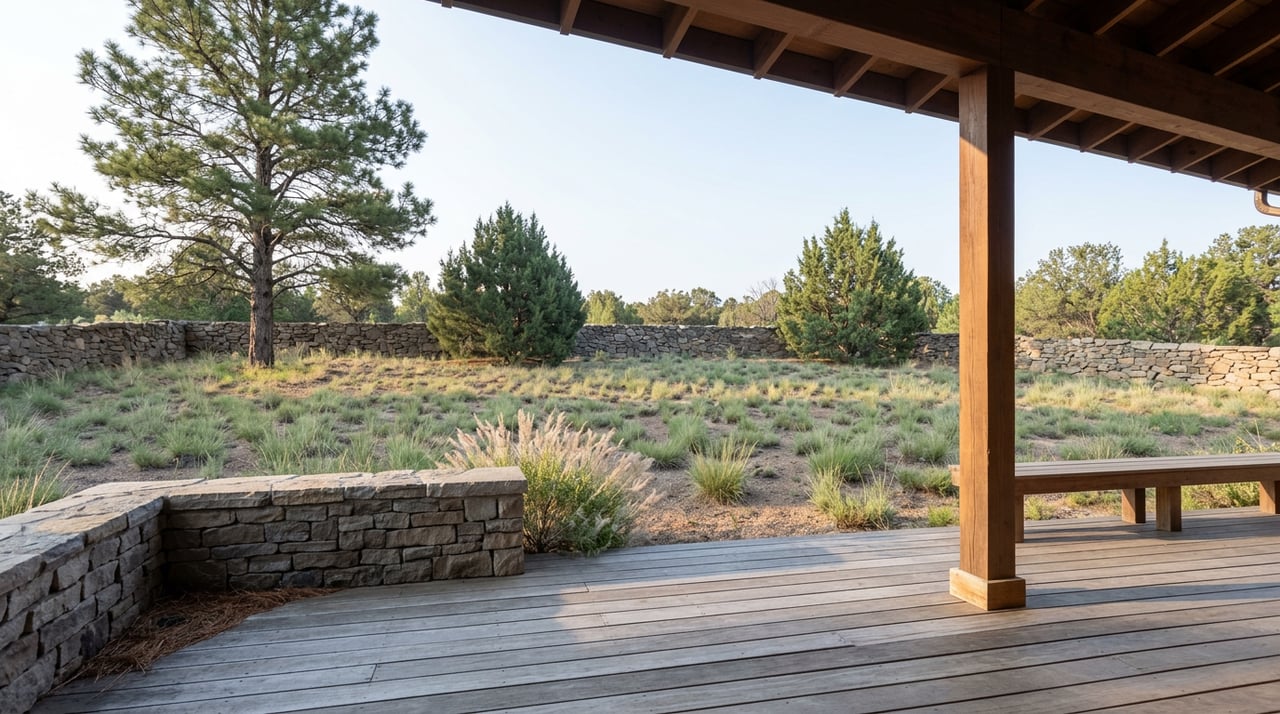
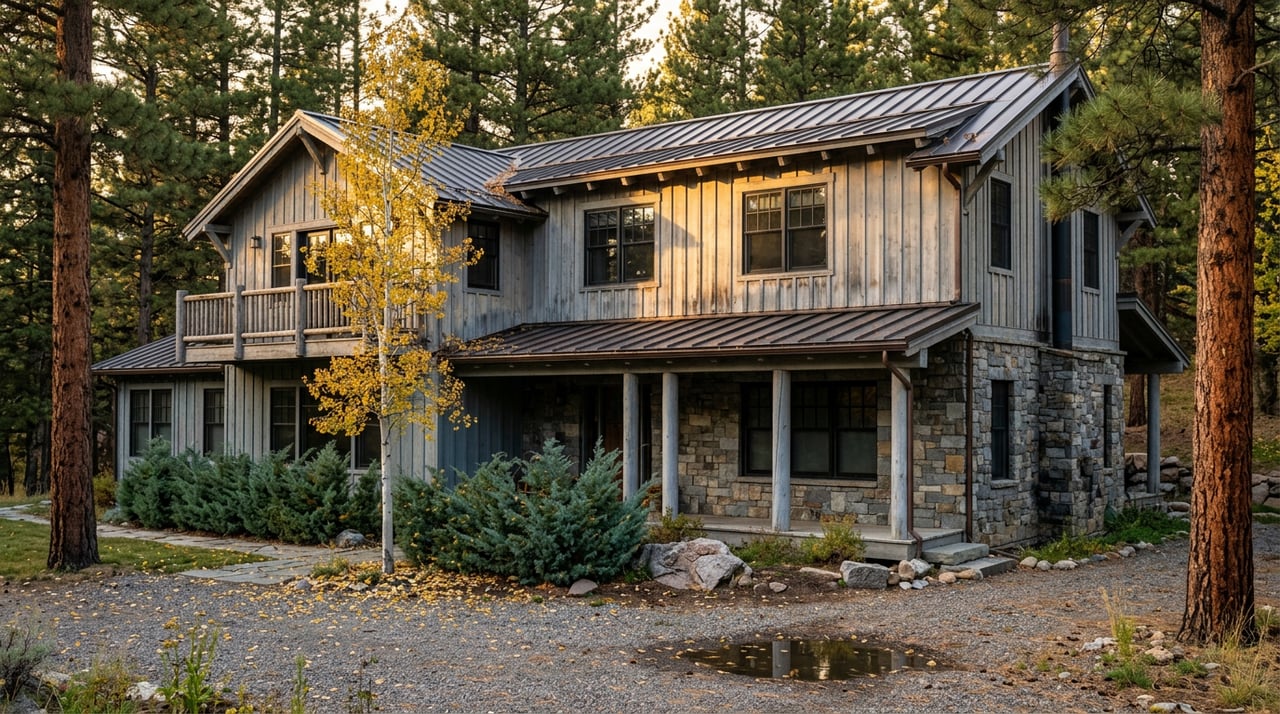
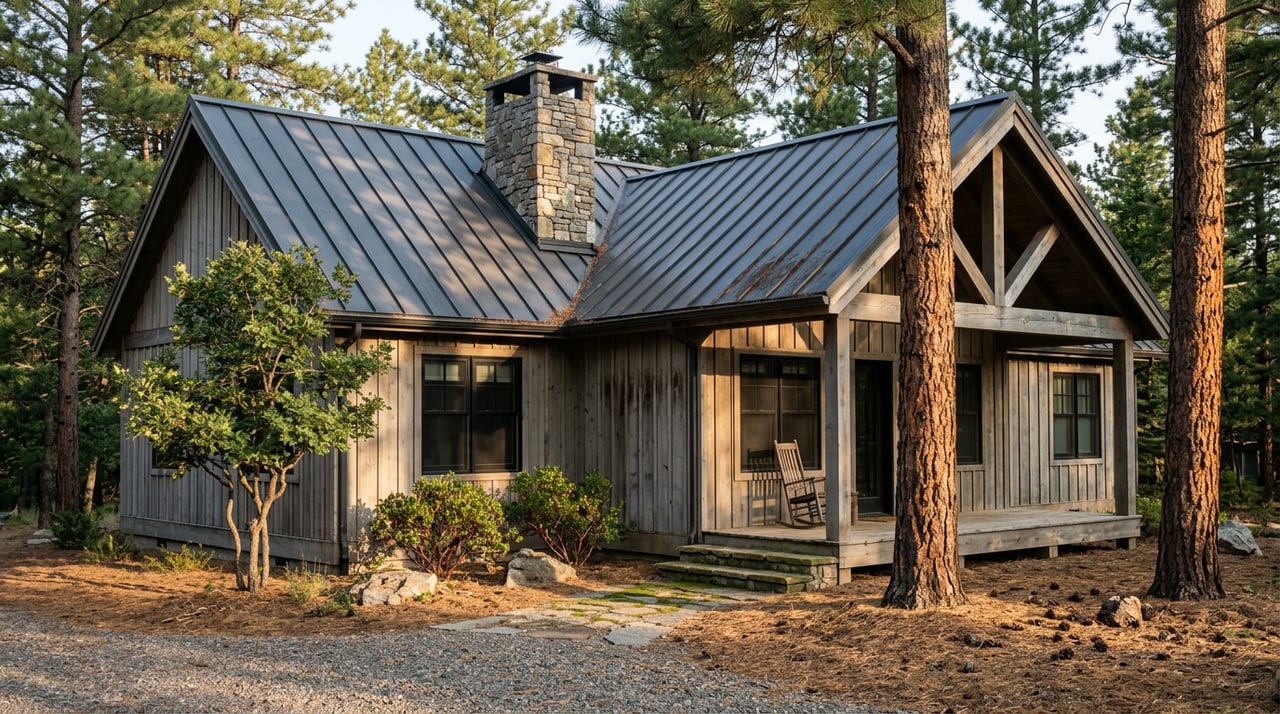
- Legacy site-built homes. Cabins and A-frames from the 1970s and 1980s on private, unrestricted, no-HOA lots. This is the housing stock that gives Kachina Village its identity: gravel driveways, wood stoves, lot sizes that vary from a quarter acre to nearly half an acre, no architectural review board telling anyone what to do with a fence.
- The Kachina Village Mobile Home Park. A land-lease community on Tovar Trail built in 1972. Buyers own the structure, not the ground under it, and pay lot rent on top of the purchase price.
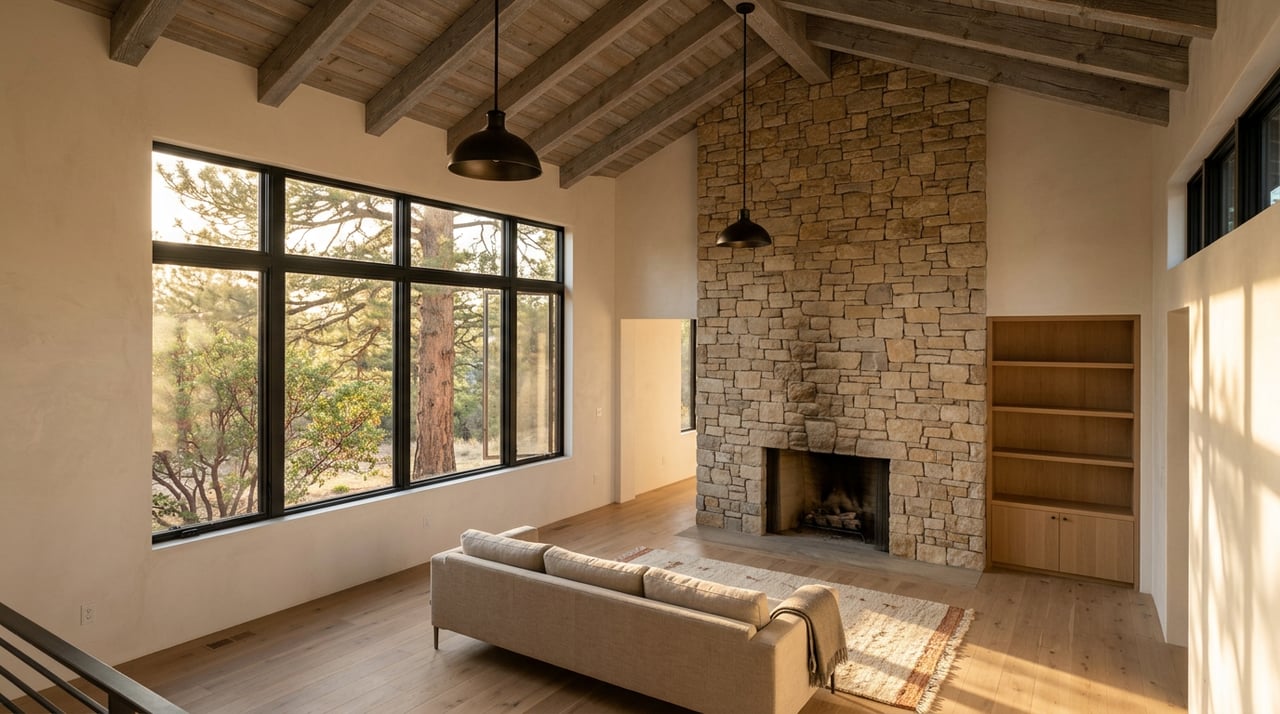
- The Highlands at Tovar Springs. A new subdivision of 130 single-family homes built by Camelot Homes, with construction starting in November 2024 and a projected twelve-month build-out. It has its own HOA, a first for this part of Kachina Village, and starting prices around $625,000.
Any median that treats these as one market is averaging a $115,000 leased-land cottage against a $625,000-and-up new build against a 1976 A-frame that might sell for anywhere in between. The number that comes out the other end describes nothing a buyer can actually shop for.
What the land lease actually hides
The mobile home park segment is where the math gets most misleading. Community management listings put standard lot rent in the park at $425 to $575 a month, but one 2026 resale listing for a 2019-built manufactured home at 2578 Tovar Trail, priced at $115,000, carried a documented lot rent of $950 a month. A few doors down, a similar 2019 unit in the same subdivision listed for $160,000. Both prices look like the cheapest way into Kachina Village until you run the full monthly cost. A $115,000 home with $950 in monthly lot rent carries a materially different total cost of ownership than a $115,000 home on land you actually own, but both show up identically in a median-price calculation and in a median dollar-per-square-foot figure.
This matters for two kinds of buyers. A first-time buyer comparing Kachina Village's advertised entry price against a comparable Flagstaff subdivision needs to know that some of that "affordable" inventory carries a second monthly payment the sale price doesn't capture. And a buyer who wants the neighborhood's legacy no-HOA character, the actual reason people choose Kachina Village, needs to know that a meaningful share of its lowest-priced listings sit on leased ground, not private lots.
A subdivision that's aging out of its own label
The Highlands at Tovar Springs complicates the picture a second way, and this one is about timing rather than category. When a new subdivision is actively under construction, most portals flag its listings as "new construction" and report them separately, which is why Redfin's new-construction filter for Kachina Village has shown its own distinct median, in the $585,000 to $700,000 range depending on the month, based on only four or five active listings at a time.
But construction on Tovar Springs began in November 2024 with a roughly twelve-month build timeline. That means most of its 130 homes have closed, and the ones that have changed hands since are no longer flagged as new construction anywhere. They've aged into the ordinary resale pool. A trailing-twelve-month median for "Kachina Village" today is quietly counting Tovar Springs closings right alongside 1970s A-frames, with no label distinguishing the two. The neighborhood didn't get more expensive uniformly. A new, HOA-governed subdivision graduated into the comparison set without anyone flagging the shift.
There's a small irony in this. Part of what has historically drawn buyers to Kachina Village is the absence of a governing HOA, the freedom to park where you want and build a workshop without an architectural review letter. The Highlands at Tovar Springs is the one pocket of Kachina Village where that isn't true. Its HOA permits short-term rentals, which makes it attractive to investment buyers in a way the rest of the neighborhood, with no HOA to authorize or restrict that use one way or the other, simply doesn't address.
Reading a Kachina Village price quote correctly
Here's what the spread across sources actually looks like when you line the numbers up side by side:
| Source | Time window | What it measured | Reported median |
|---|---|---|---|
| Redfin | 3 months ending June 2026 | Sold price, all home types | $512,000 |
| Homes.com (houses-for-sale page) | August 2026 | Active list price, single-family only | $750,000 |
| Homes.com (neighborhood guide page) | August 2026 | Blended estimate, all home types | $589,177 |
| Homes.com (local guide page) | Trailing 12 months | Sold price, all home types | $577,500 |
Four rows, one neighborhood, and no two rows measuring the same thing. Before treating any single figure as "the" Kachina Village price, it's worth asking three questions: is this a list price or a sold price, does it separate single-family homes from land-lease mobile homes, and what window is it trailing. A three-month sold median moves with whatever handful of homes happened to close that quarter, which is exactly why Redfin's number for June 2026 reflected only 20 transactions. A neighborhood this size and this heterogeneous doesn't generate enough monthly volume to smooth out a single unusual sale, whether that's a leased-land cottage on the low end or a Tovar Springs closing on the high end.
What this means if you're actually comparing neighborhoods
If Kachina Village is on your shortlist against somewhere like Bellemont or Ponderosa Trails, the honest comparison isn't "Kachina Village's median versus their median." It's asking which of the three Kachina Village products you're actually cross-shopping. A buyer looking at legacy A-frames on private lots should be comparing against other neighborhoods' older, unrestricted-lot inventory, not against a blended figure that includes brand-new HOA construction. A buyer drawn to The Highlands at Tovar Springs for its short-term rental allowance is really comparing against other new-construction subdivisions in the Flagstaff area, not against the neighborhood's decades-old median.
The practical move is to ask whoever is quoting you a number what it's built from before you act on it. A median that includes land-lease homes tells you something different than one that doesn't. A median from three months of sold data tells you something different than a twelve-month trailing figure that's already absorbed a new subdivision's closings. None of the individual numbers above is dishonest. They just aren't interchangeable, and treating them as if they are is how a buyer ends up either overpaying for what they thought was a bargain or walking away from a legitimate deal because it looked out of line with a figure that never applied to it in the first place.
A few questions worth asking directly
Does buying in the Kachina Village Mobile Home Park mean I own the land? No. It's a land-lease community, meaning the buyer owns the structure and pays monthly lot rent, historically ranging from roughly $425 to $575 in community listings, though individual resale postings have shown rents as high as $950.
Is the HOA at The Highlands at Tovar Springs mandatory for the rest of Kachina Village? No. It applies only to that subdivision's 130 homes. The surrounding legacy neighborhood remains unincorporated with no governing HOA.
Why do sold-price medians and list-price medians disagree so much here? Because Kachina Village's low monthly transaction count means each individual sale, whether a leased-land cottage or a new Tovar Springs closing, moves the median more than it would in a larger, more uniform market.
If you're weighing Kachina Village against another Northern Arizona neighborhood, or trying to figure out which of its three housing products actually fits what you're looking for, that's a conversation worth having before you start comparing numbers that were never measuring the same thing. Karra Polder works across Flagstaff and the surrounding communities and can walk through which segment of Kachina Village, or which neighborhood entirely, matches what you actually want to buy. Let's Connect.