By eleven on the fourth Saturday of the month, the gravel lot outside the C-A-L Ranch store on North Fourth Street fills with pickup trucks, folding tables, and whatever's coming off the food truck grill that week. Someone's selling seedlings out of plastic trays. Someone's selling eggs still warm enough to fog the inside of the carton. A woman near a tailgate pours local honey into jars faster than people can hand her cash. None of this is happening in Doney Park. It's happening about ten minutes from it, in a parking lot that belongs to a ranch supply store, and that gap between where the market sits and where the neighborhood actually is turns out to be the whole story.
Doney Park was built to not have a center. That's not a criticism. It's a description of the zoning, the lot sizes, and the choices people made when they bought out here. But it also means the fourth Saturday market has become something closer to a ritual than an errand for the pocket of the neighborhood residents call Doney Park - Koch Field, and it means the calendar quietly changes once September ends.
A Neighborhood Built Without a Center
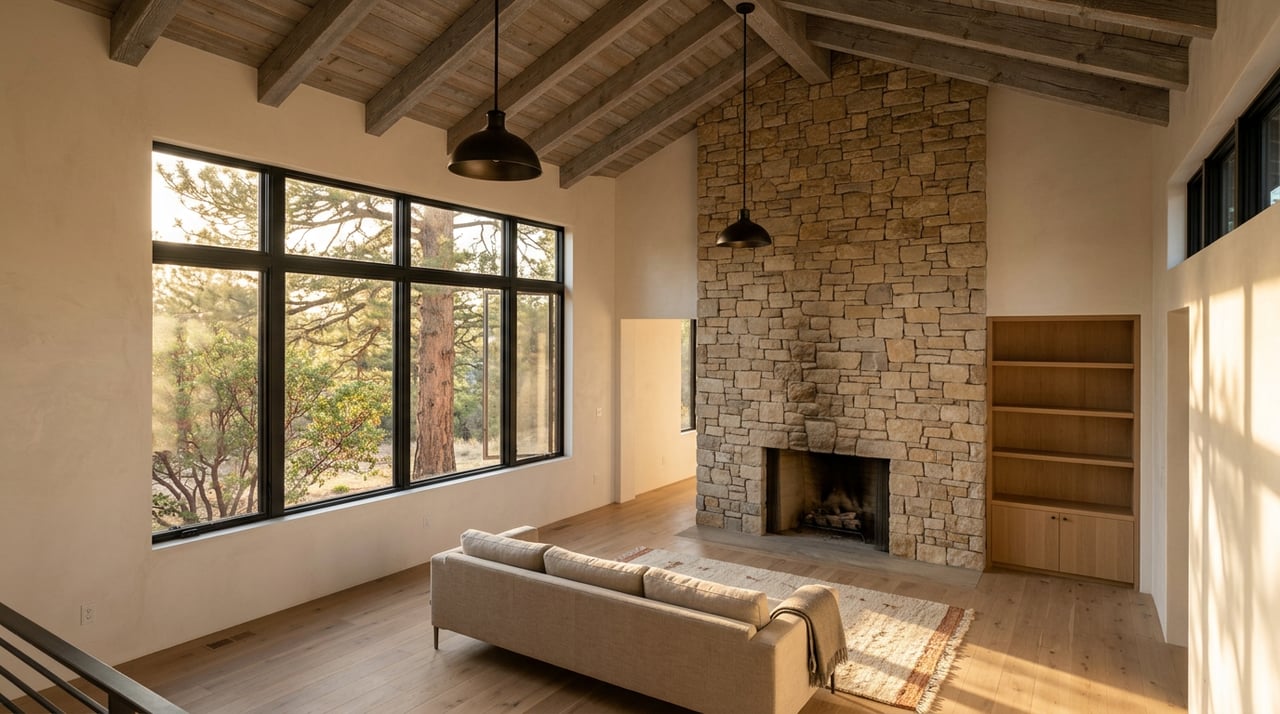
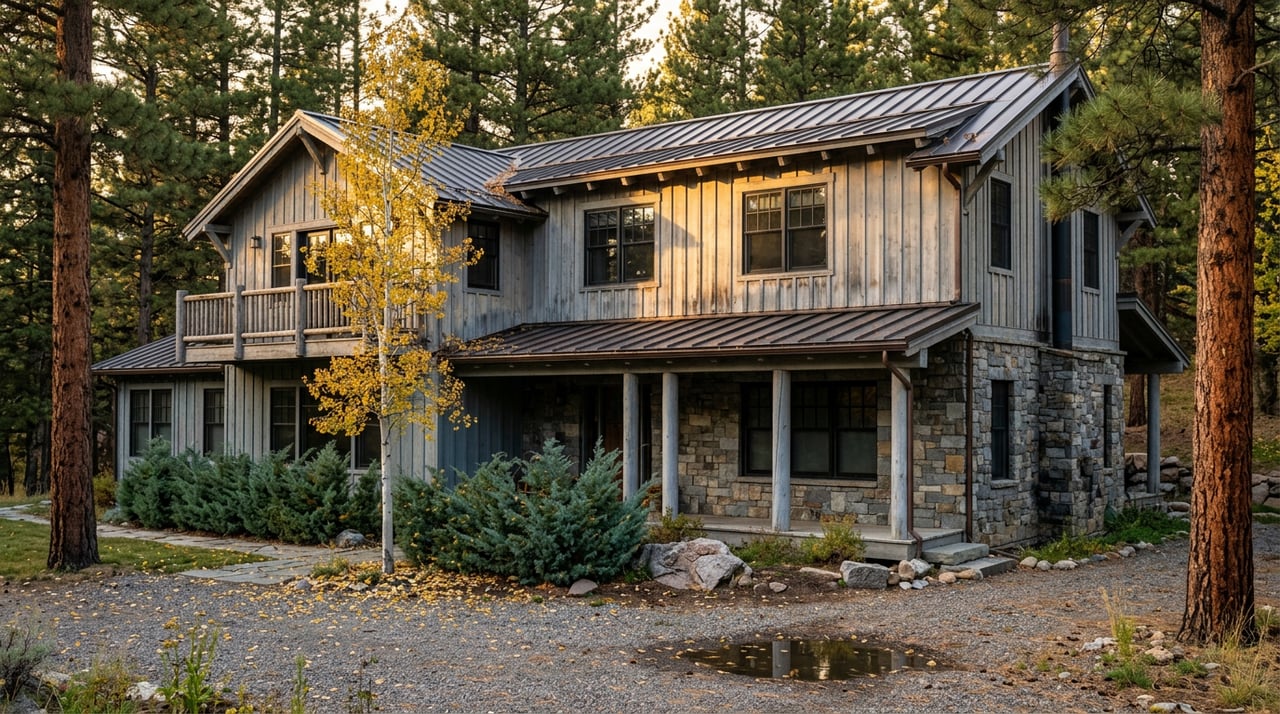
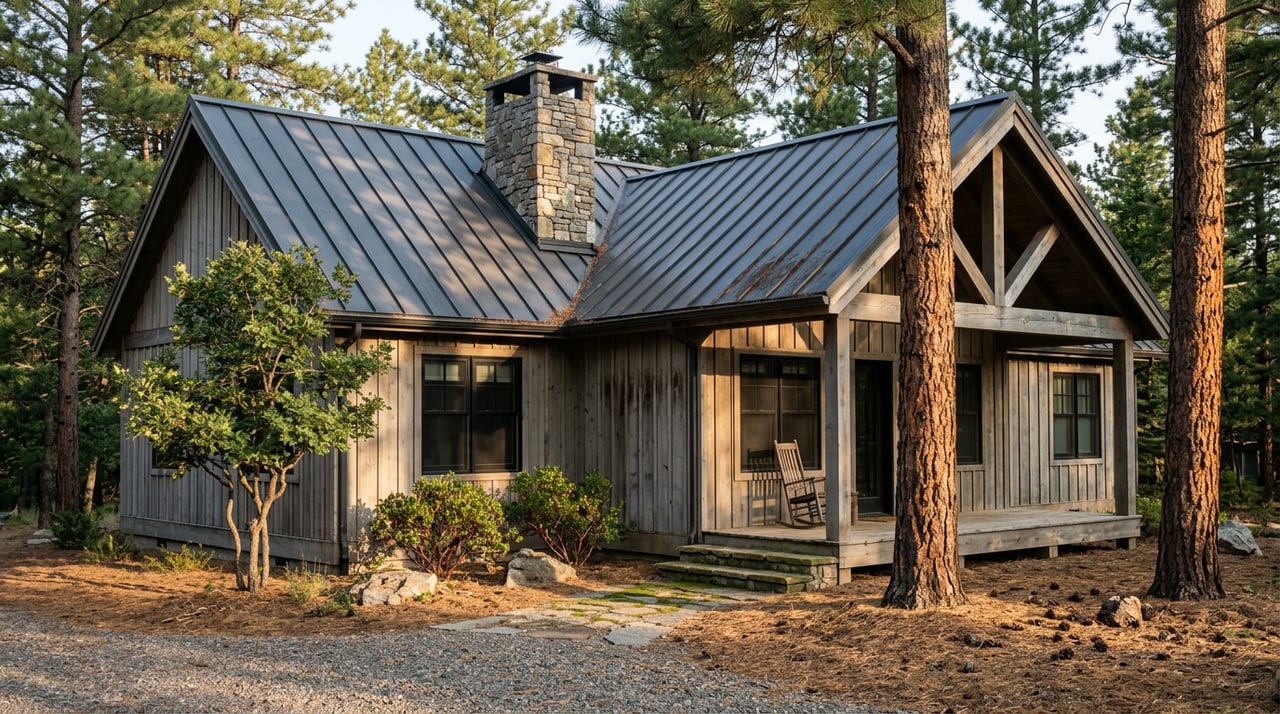
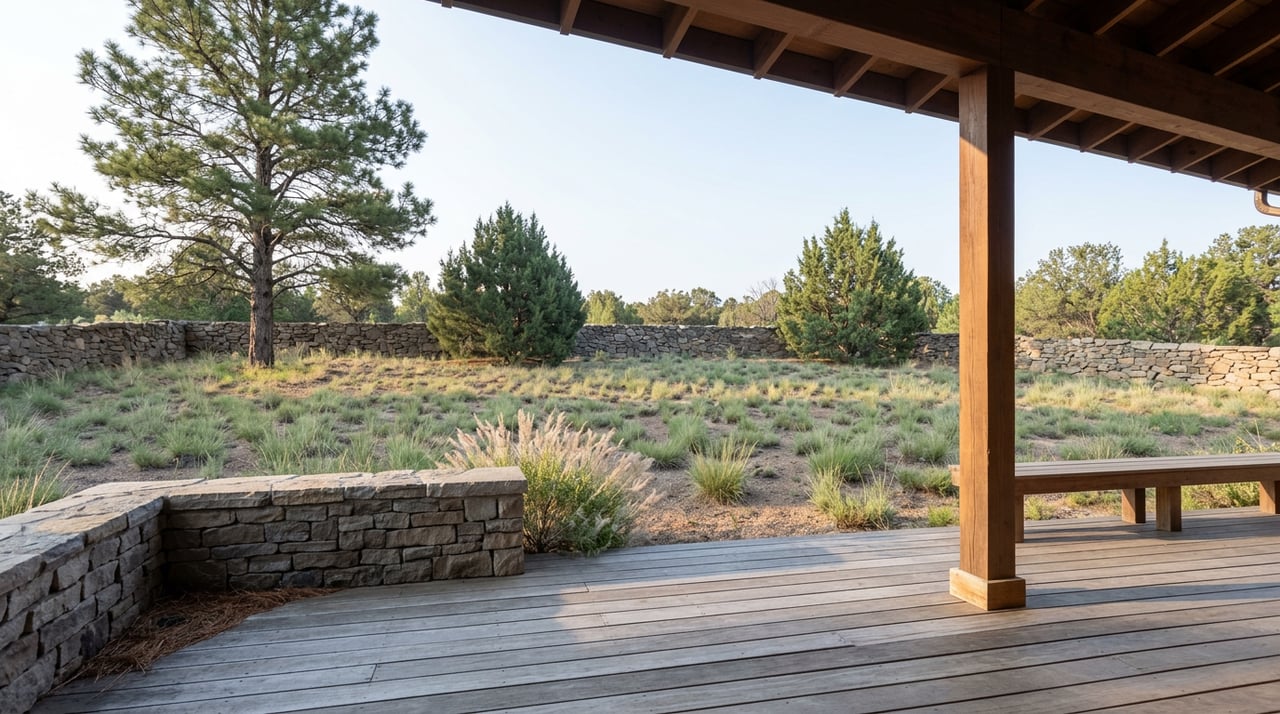
Doney Park sits off U.S. Route 89, roughly ten miles northeast of downtown Flagstaff, in the 86004 zip code, on the leeward side of the San Francisco Peaks, which is why it stays drier and more open than neighborhoods closer to the mountain. Homes here typically sit on an acre or more, most built between the 1980s and early 2000s as ranch-style properties with room for a horse trailer or an RV in the driveway. There's no HOA telling anyone what to plant or park, and for a lot of people that's the entire appeal.
But an HOA is also usually the entity that plats a commercial pad. A coffee shop. A spot zoned for a weekly stand. Doney Park never got one of those, so residents drive out for almost everything. Continental Plaza to the south holds most of the small, locally owned shops. Mountain View Market covers the milk-and-eggs runs. A fuller grocery selection means a trip further southwest to Safeway, and the mall is six miles out. None of that is unusual for a rural subdivision built around large lots. What's unusual is what residents did about it. Instead of waiting for a center to show up, they picked one, and it happens to belong to a feed store.
The Fourth Saturday
The market itself runs on a specific and fairly narrow schedule. It's held in the C-A-L Ranch parking lot at 2530 North Fourth Street, hosted by a vendor called Dirt Don't Hurt, on the fourth Saturday of the month from 11 a.m. to 2 p.m., running April through September. That window matters this week specifically. This Saturday, September 26, is the last one of the 2026 season.
What shows up on a given Saturday shifts, but the categories stay familiar to anyone who's been a few times: seedlings and starter plants, farm-fresh eggs, homestead animals, compost and garden basics, baked goods, honey, and a rotating handful of food trucks. A few things that tend to show up:
- Plants, seeds, and herb starts for anyone still working a garden before frost
- Farm-fresh eggs and small homestead animals
- Baked goods, local honey, and cold drinks
- Handmade soap, infused oils, and other homestead-adjacent goods
- Live music running the length of the market
It's a small, informal footprint by design. Doney Park's own acreage doesn't have anywhere to put something like this. The feed store's lot, sitting at a crossroads with room to spare, does.
Two Bookends: The Crater and the Owl
For a lot of families, the market isn't the only stop on a Doney Park Saturday. It's the middle of one.
The Old Caves Crater Trail sits just off Silver Saddle Road, reached by heading north on Highway 89 out of town. It's a cinder cone with actual small caves worked into its slopes, and a settlement that Native Americans built next to the crater in the 14th century still marks the site's history. Hikers can keep it short with a roughly 2.3-mile out-and-back to the base, or take the full loop over the top, which runs closer to 3.7 miles with about 500 feet of climbing, according to trail data on AllTrails. The summit clears the tree line just enough to open up views of the San Francisco Peaks and the Cinder Hills, and on a weekend morning it's common to have long stretches of it to yourself.
After the trail, or after the market, a lot of that same traffic ends up at the Toasted Owl Cafe on Cortland Boulevard in Continental Plaza, the east-side location of a small local chain known for a dog-friendly patio and an owl-themed menu that includes items like the "owlrageous" omelet and the "owlzona" burger, alongside gluten-free and vegan options. None of these three places sit inside Doney Park's boundary. Together they form the closest thing the neighborhood has to a town square, and residents have quietly agreed on the same triangle without anyone posting a map.
What Disappears When the Calendar Flips
Here's the part that catches people off guard, especially anyone who moved to Doney Park in the spring or summer and assumed this rhythm was constant. The trail isn't seasonal in any meaningful way. The Owl serves breakfast and lunch year-round. But the market is built on an April-through-September calendar, and that means one leg of the Saturday routine quietly disappears once the season ends.
This week's market, on September 26, is the last stop until spring. The honey, the egg cartons, the folding tables, the live music, none of it comes back to that parking lot until the weather turns again next April. The hike will still be there in November, cooler and probably better for it. The omelets will still be named after birds. But the specific version of Saturday that a lot of Doney Park families have built their fall around, market first or market last, changes shape for six months.
For someone new to the area, that shift can read as the neighborhood going quiet. It isn't. It's one piece of a three-piece routine stepping out for the winter while the other two keep running. Knowing which piece is which, and why, is the kind of detail that only comes from actually being here on a Saturday, not from a description of the neighborhood written somewhere else.
Doney Park doesn't have a printed calendar or a chamber of commerce newsletter. It has a feed store parking lot, a cinder cone trail, and a cafe with owls on the walls, and residents who've quietly agreed on all three. If you're already living that rhythm, or you're the kind of person who wants to understand a place at this level of detail before deciding it's home, Karra Polder spends her weeks paying attention to exactly this kind of local pattern across Doney Park and the rest of Northern Arizona. Let's Connect.